
017: Mrs. Mr. Mx.
Today, on the IDAHOBIT 🏳️🌈🏳️⚧️, I’m advocating for a departure from convention by ditching the standard use of traditional gender pronouns and honorifics in healthcare reports.

Howdy folks,
🏳️⚧️🏳️🌈 Today is the International Day Against Homophobia, Biphobia and Transphobia. Check out this awesome acronym, IDAHOBIT. I’ve been sitting on this draft for nearly six months - it’s time to release it into the wild, and what better day than the IDAHOBIT.
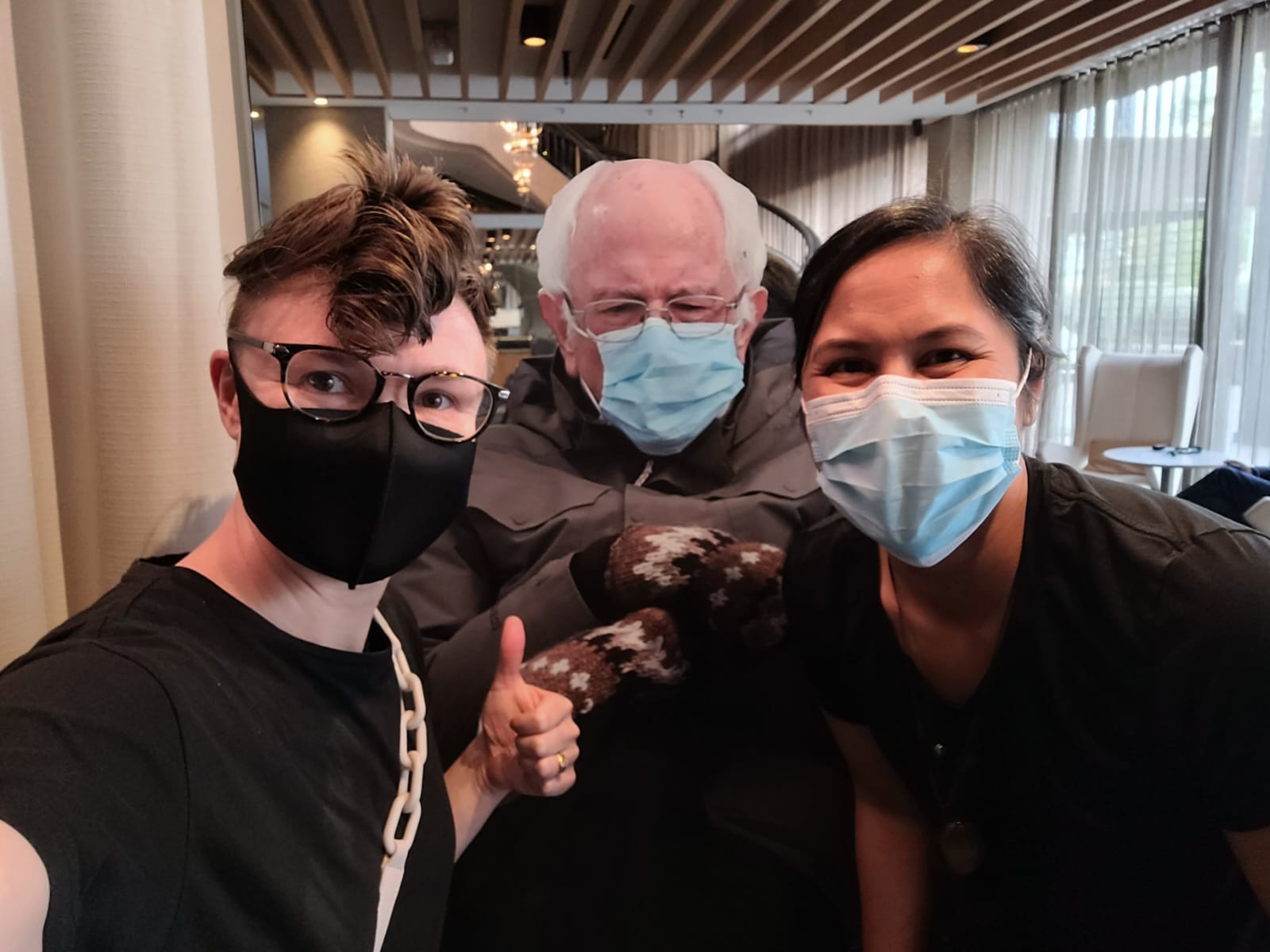
A dear friend, Dr Shasta Henry (She/Her) renowned for her TEDxHobart talk titled "Taxonomy: The intersection between science, language, and culture," raised thought-provoking questions about the continued practice of naming insects and other creatures in Latin. This led Doc Shasta to become one of the pioneers in taxonomising* bugs and things using the traditional names of the places where they were discovered. Just randomly, here’s a pic of Dr Shasta, Bernie, and me from back in the day 😷
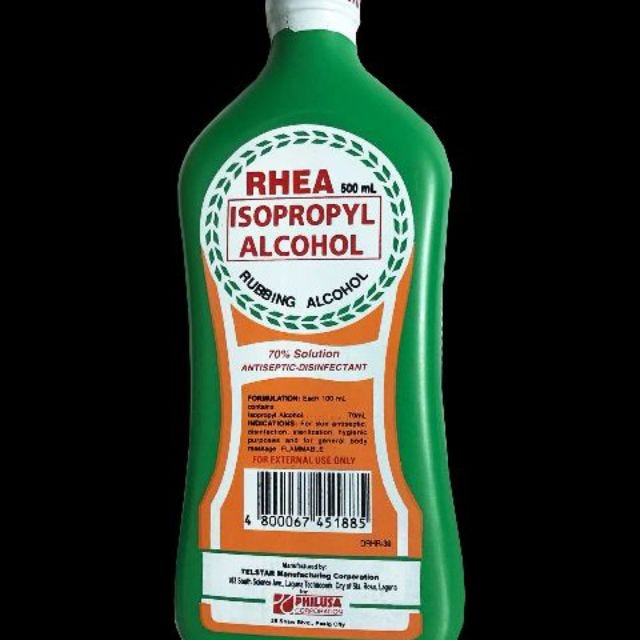
As I’ve *ahem* grow up in healthcare and rehab, and embraced written communication technologies, I’ve instinctively combined my penchant for storytelling with a conversational writing style. Doc Shasta’s inspiration prompted me to challenge the conventional ways we reference people, particularly when referring to patients in reports. Personally, I prefer to be called by my first name, Rhea. (yes, it’s pronounced ree-yah, rhymes with diarrhoea 🏃♀️💩) Fun fact: I was named after an alcohol brand...
Formal reports are standard practice in healthcare, and the industry persists in maintaining the status quo, adhering to decades-old report-writing conventions, including the prevalent use of traditional honorifics.
As society evolves I’ve come to ponder how, and if, healthcare and other similar industries are making changes to their processes and policies to acknowledge the diversity of gender identities. Recently, I worked with a client whose pronouns were they/them/theirs. Conscientiously, I strived to address them by their chosen pronouns, but occasionally, I slipped up defaulting to she/her/hers 🤦🏽♀️. They were consistently understanding and gracious in such situations, and reasssured me that it was the effort which is most appreciated.
I’m advocating for a departure from convention by ditching the standard use of traditional gender pronouns and honorifics in healthcare and rehabilitation reports. Instead, encouraging a flexible and individualised approach to written communications.
Some healthcare and medical professionals openly express the view that the use of preferred pronouns is 'silly,' or fail to recognise the significance of implementing such changes. To them I say this - healthcare and medical professionals are known for innovation, readily embracing technology to enhance our information exchange capabilities. The present moment calls for embracing changes which contribute to the humanisation of that information.
👉🏽Check out the IDAHOBIT Guide to Using Pronouns at Work
Cheers for now, -Rhea. (she/her/hers)✌🏽 Linkedin | Instagram
*taxonomise is probably not a real word. I could’ve checked, but, I didn’t. 🤷🏻♀️ (corrections welcomed)
I’ve learnt new grammar, and sought information from my client, friends, colleagues, and from Diversity Center of North East Ohio, American Psychological Association Style and Grammar Guide, and APA Blog, NPR, and the Australian Government Style Guide.